

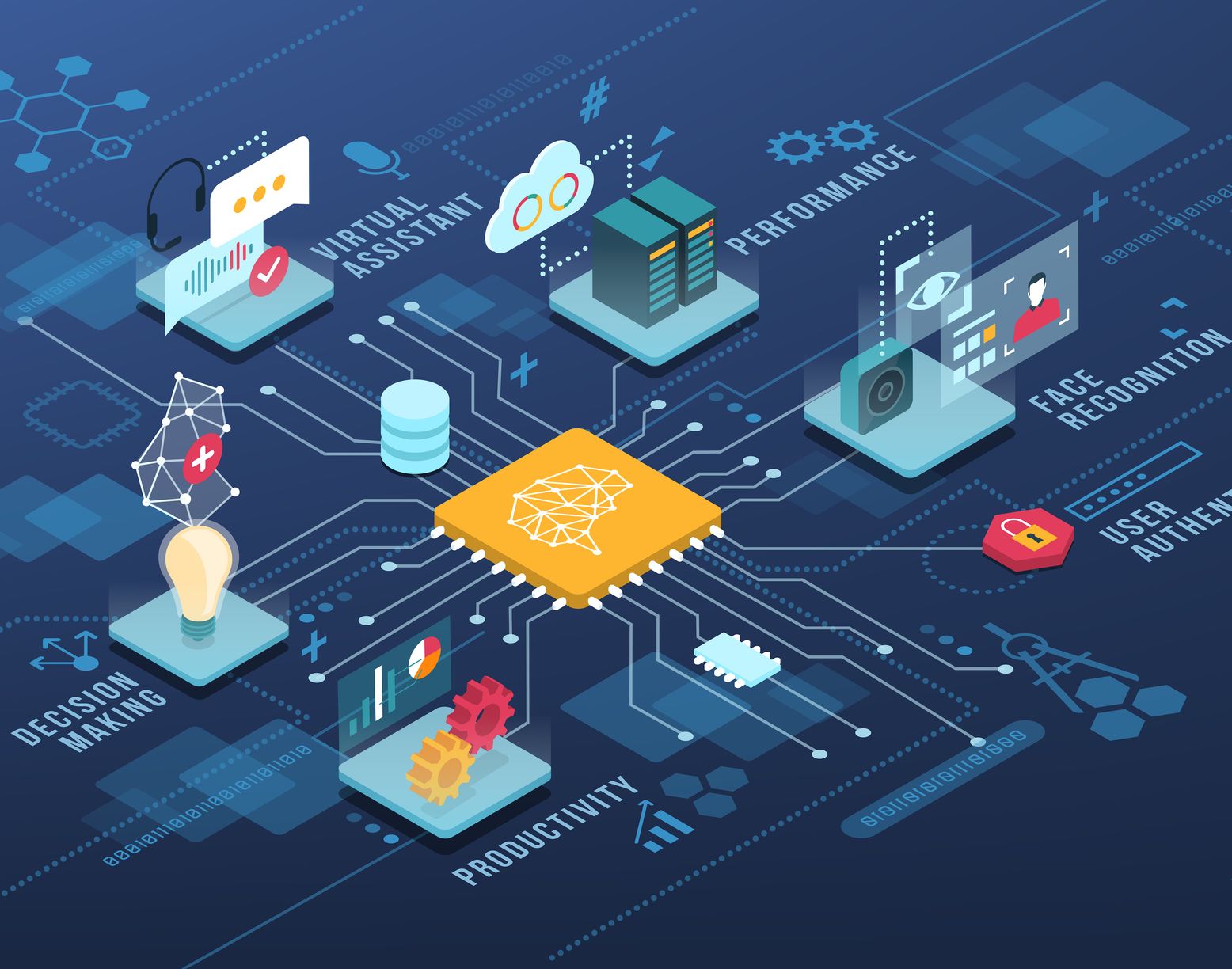
How Automation is Transforming Digital Communication Systems
Automation has become one of the most transformative forces in modern digital communication systems, fundamentally changing the way businesses manage, distribute, and optimize information across multiple channels, especially in environments where speed, accuracy, and consistency are critical, and where manual processes are no longer sufficient to handle the growing complexity of real-time communication demands in digital-first ecosystems that require continuous adaptation and intelligent decision-making capabilities.
In traditional communication systems, content delivery relied heavily on human intervention, where updates, scheduling, and message distribution were manually controlled, often leading to delays, inconsistencies, and inefficiencies, whereas modern automated systems eliminate these limitations by introducing rule-based logic, triggers, and workflows that ensure content is delivered at the right time, in the right format, and to the right audience without requiring continuous manual oversight or operational effort.
Shift from Manual to Intelligent Systems
The shift from manual communication systems to intelligent automation frameworks represents a major technological advancement where systems are no longer dependent on human input for every decision, but instead rely on structured logic, data inputs, and predefined conditions that allow them to operate independently, efficiently, and consistently across different environments and use cases that demand scalability and real-time responsiveness.
This transition has enabled businesses to move away from reactive communication models toward proactive systems that anticipate needs, respond to conditions automatically, and ensure that messaging remains relevant and aligned with operational goals, ultimately improving efficiency, reducing workload, and enhancing the overall effectiveness of digital communication strategies across industries.

Automation is not about replacing communication — it is about making it smarter, faster, and more reliable.
Role of Automation in Communication Efficiency
Automation plays a crucial role in improving communication efficiency by eliminating repetitive manual tasks, reducing the chances of human error, and ensuring that information is consistently delivered across all channels in a structured and predictable manner, which is especially important in large-scale systems where multiple displays, platforms, or communication points must remain synchronized at all times.
By implementing automated workflows, businesses can ensure that updates are deployed instantly, content is optimized based on predefined rules, and communication remains aligned with real-time conditions, allowing organizations to operate more efficiently while maintaining high standards of accuracy, consistency, and responsiveness across their entire digital infrastructure.
Business Impact of Automation
The impact of automation on business communication systems is significant, as it allows organizations to scale their operations without increasing manual workload, enabling them to manage larger networks of digital displays, communication channels, and content systems while maintaining operational efficiency and reducing dependency on human intervention for routine tasks and updates.
This not only improves productivity but also enhances decision-making capabilities by providing more structured, real-time, and reliable communication flows, allowing businesses to focus on strategic growth initiatives while automation handles execution, optimization, and content delivery across multiple touchpoints in a seamless and intelligent manner.
Conclusion
Automation is redefining the future of digital communication by transforming static, manual processes into dynamic, intelligent systems capable of operating independently while maintaining high levels of accuracy, relevance, and efficiency across diverse business environments and communication channels.
As organizations continue to adopt advanced digital infrastructure, automation will remain a core driver of scalability, efficiency, and innovation, enabling platforms like LogicalSignage to deliver smarter, faster, and more adaptive communication systems that align with the evolving needs of modern businesses in a technology-driven world.
Leave a Reply